Key Takeaways
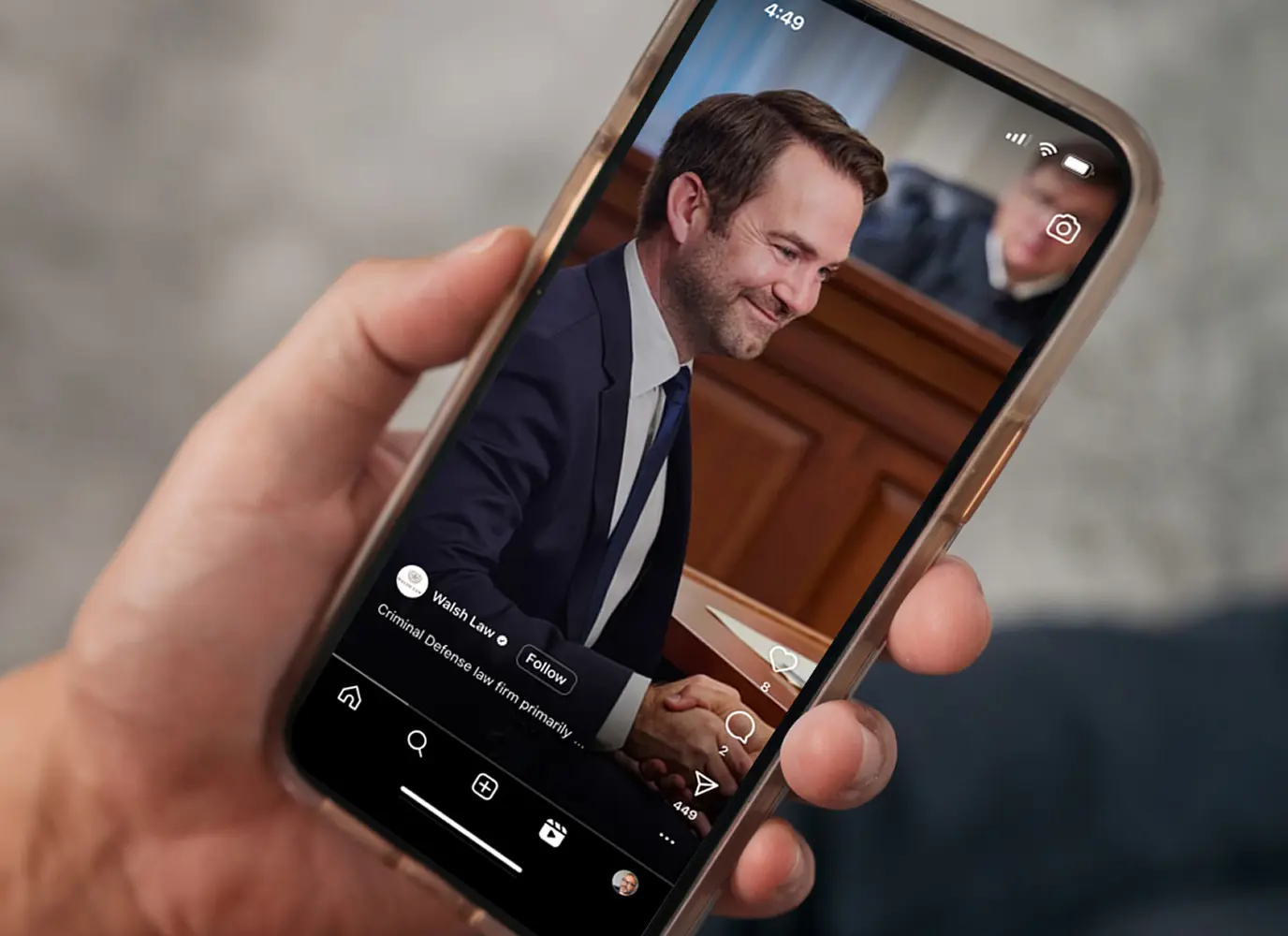
- Social media helps criminal defense firms build name recognition and trust with potential clients before they ever need to make a call. 36% of prospective clients say seeing photos of the legal team matters in their decision.
- Not every platform is worth your firm's time. Start with one or two where your target clients already spend time, whether that's Facebook for a broad audience or LinkedIn for white-collar referral sources, and build from there.
- Posts that speak to a specific charge and a specific fear ("Arrested for DUI? You have 15 days to protect your license.") consistently outperform generic firm awareness content.
- Social media posts can appear in Google search results, which means treating captions like mini-SEO pages with location-specific keywords helps your firm get found in both places.
- Every state bar has its own rules around attorney advertising on social media. Ethics compliance is not optional, and it applies to hashtags and comments, not just ads.
- 52% of prospective clients look for videos explaining a firm's services. Short-form video content is one of the fastest ways to build credibility with someone who has never heard of your firm.
---
5 Social Media Tips for Criminal Defense Lawyers
Social media isn’t just for brand-name products and viral dances. Criminal defense firms that show up consistently on social media meet potential clients where they are already spending time and looking for answers. The challenge? Most attorneys don't have time to keep up with platform algorithm changes, but that doesn't mean social media can't be working for your firm. The right approach puts your firm in front of people who need representation right now, without requiring you to become a full-time content creator. For criminal defense firms specifically, that consistent presence builds name recognition and trust before a potential client ever needs to make a call.
If you’re ready to turn followers and shares into consultations and signed fee agreements, start with the five practical tips for social media marketing below. Each one is tailored to criminal defense lawyers and designed to increase visibility online, build credibility, and, ultimately, bring more clients (and revenue) through your door.
Which Social Platforms Make Sense for Criminal Defense Firms?
Your potential clients are already spending time online. The question is which platforms make the most sense for your firm based on the cases you want and the clients you serve.
Some of the best social media platforms to use include:
- YouTube
- TikTok
- Snapchat
The right platforms depend on your practice focus, the clients you want to reach, and how much time your firm realistically has to invest. Start with one or two, get consistent, and expand from there.
36% of prospective clients feel it’s important to see photos of the legal team.
Tips for Using Social Media for Criminal Defense Attorneys
By following these tips, you can simultaneously attract the clients you want and build your practice.
Tip #1: Go Where Your Clients Already Scroll
Start by thinking about who your firm most wants to reach. Age, tech comfort, and charge type all shape where potential clients spend time online. LinkedIn often attracts white-collar prospects and referral sources, while Facebook and Instagram capture a broader range of users. Review your intake forms or Google Analytics to identify which channels drive traffic to your site, and then focus on the top one or two. If you plan to run the accounts yourself, choose platforms you enjoy and can maintain consistently; otherwise, consider partnering with a legal marketing team to keep your feed active while you stay focused on casework.
Tip #2: Stay Inside the Ethics Lines
Every state bar sets its own rules for lawyer advertising, including social media posts. Before publishing a case result, client testimonial, or “quick legal tip,” confirm that you’re meeting disclosure requirements and protecting client confidentiality. Remember that hashtags and comments also count as advertising, as they can invite prospective clients to contact you. When in doubt, run your content past your state's professional conduct guidelines or a marketing partner who knows legal ethics. A single misstep online can trigger a bar complaint.
Tip #3: Craft SEO-Friendly Content Clients—and Search Engines—Can Find
Social posts can rank in Google results, so treat them like mini-pages on your website. Work your primary keywords—think “ DUI lawyer”—into captions and hashtags where it feels natural. Add location cues (“ arraignment tips”) to boost local visibility, and link back to a related blog or practice area page to keep prospects moving toward a consultation.
Search algorithms change fast, and AI-generated results are already reshaping what people see when they search. Tracking which posts actually drive calls or site visits matters just as much as writing good content. Check your numbers regularly and adjust from there.
Tip #4: Tailor Every Post to a Specific Client—and Charge
Generic messages like “Call us for criminal defense” get lost in busy feeds. Instead, speak directly to the person you want to help and the charge they’re facing.
Focus on one practice area per post—DUI today, domestic violence tomorrow, fraud next week—and use language that mirrors your client’s own worries: license suspension, jail time, protecting a professional reputation. Add location cues so local prospects know you take cases in their court.

Example captions
DUI: “Arrested for DUI in Austin? You have just 15 days to request a license hearing. Let our board certified team protect your driving record. #AustinDUI #KeepYourLicense”
Domestic Violence: “A no-contact order can separate you from your home and children. We’ll fight to modify or lift it while building your defense. #DomesticViolenceDefense”
White Collar: “Federal investigators don’t show up by accident. Our firm negotiates with agencies before charges ever reach the courtroom. #SECInvestigation #WhiteCollarDefense”
When prospects see posts that match their exact situation, they’re far more likely to click, call, and ultimately retain your firm.
Tip #5: Make Your Handles Easy to Find
Don’t force prospects to hunt for your online presence. Add your firm’s social icons or @handles to high-traffic spots on your website and include them on business cards, email signatures, and even courtroom folders. A simple QR code that links to your Linktree or Instagram bio can turn a quick scan into a new follower.
When clients can jump from your card or site straight to your social feed, they see real-time proof of your work: courtroom victories, client testimonials, or helpful “know your rights” videos. That visibility encourages likes, shares, and word-of-mouth tags that drive fresh traffic back to your site—and ultimately, more qualified leads.

Pulling It All Together: Your Firm’s Social Media Game Plan
A solid social media strategy starts with a handful of clarifying questions:
- Which platforms put you in front of the clients you most want to serve?
- Which post formats and topics have historically driven calls, form fills, or direct messages?
- Do you have the bandwidth to plan, create, and monitor content in-house?
- Would it be smarter to delegate those tasks so you can focus on court appearances?
Answering these questions keeps your social efforts aligned with your broader marketing goals rather than operating in a silo. Remember, you’re competing against firms that publish daily updates, run targeted ads, and invest in short-form video. The firms that earn attention are the ones that show up consistently, sound like themselves, and track what's actually working.
Pick the channels your firm can manage consistently, define who you are trying to reach, and track what drives actual calls. Every post is an opportunity to build the reputation that brings in the cases your firm wants.
52% of prospective clients look for videos explaining a firm's services before making a decision. Short-form video answering questions like 'what happens after a DUI arrest' or 'do I need a lawyer for a first offense' is one of the fastest ways to build credibility with someone who has never heard of your firm.
52% of prospective clients look for videos explaining the firm’s services.
Use Scorpion for Your Criminal Defense Social Media
Scorpion's legal marketing team works specifically with criminal defense firms. We handle the content planning, posting, and performance tracking so your firm stays visible online while you stay focused on your cases.
With our effective social media strategies, you can increase your client base and revenue for your criminal defense firm. Contact us today to get started.


